Guide
Are sewing machine needles universal?
Published
Note: This page contains affiliate links. If you buy through them we may earn a commission at no extra cost to you. Learn more
In short
Almost all modern domestic sewing machines, including Brother, Janome, Singer, Bernina and Juki home models, use the same 130/705H needle system, also called HAx1. So a 130/705H needle from any reputable maker fits them. Some overlockers, coverstitch machines and industrial machines use other systems, so check the manual before buying.
Products for this job
Compare all 7 productsBrother SH40: 40 stitches, 5 one-step buttonholes
Check price on AmazonAffiliate linkJanome 725S: 25 stitches, extra-high foot lift
Check price on AmazonAffiliate linkJuki HZL-LB5020: needle up/down and speed override
Check price on AmazonAffiliate link
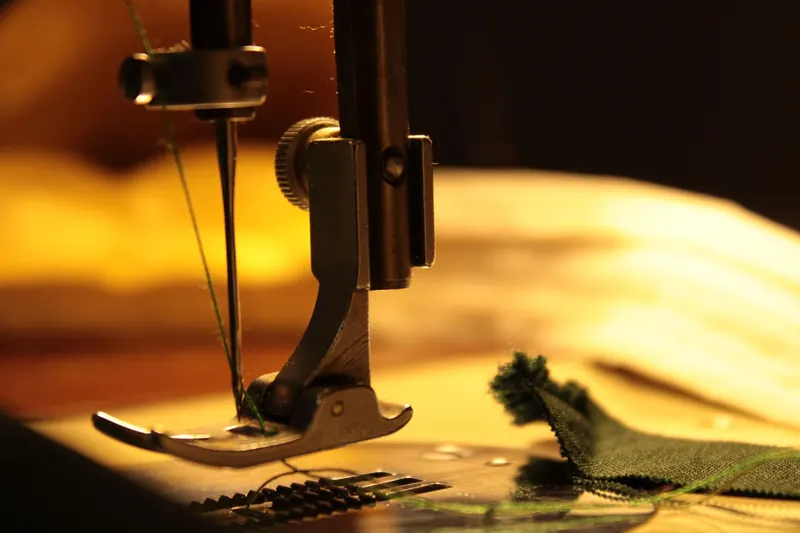
The word 'universal' on a needle packet causes a lot of confusion. It does not mean the needle fits every machine ever made. It describes the point shape, which suits most woven fabrics. What decides whether a needle fits your machine is its system, a code printed on the packet. The good news is that home sewing machines settled on one system long ago, so finding the right needle is usually easy once you know what to look for.
The 130/705H needle system
The system code describes the shank, length and shape of the needle, which must match the needle bar and hook of the machine. Domestic sewing machines use the system written as 130/705H, sometimes shown as 130/705 H or HAx1. The 'H' stands for Hohlkehle, the German word for the scarf, the small scoop cut into the back of the needle that lets the hook catch the thread.
Because the system is shared, a 130/705H needle made by Schmetz, Organ, Klasse, Singer or a machine brand will fit any home sewing machine designed for that system. This is why you can buy needles in a haberdashery without knowing the exact make of the machine. On most needles the shank has one flat side, which faces the back when fitted, so the needle can only go in correctly one way.
What 'universal' really means on the packet
The word universal describes the point type, not compatibility. A universal point is slightly rounded so it can pierce woven fabrics cleanly and still cope with many stable knits. Within the same 130/705H system you will find other point types: ballpoint or jersey, stretch, denim, quilting, microtex, leather, embroidery and topstitch. All of them fit the same machines; they simply handle fabric differently.
Packets usually add a suffix to the system code to show the point type, for example 130/705H-J for jeans or 130/705H-S for stretch. The exact suffixes vary a little by maker, so read the packet description as well. For a size and fabric match, use our sewing machine needle size chart or the needle size guide.
Overlocker and coverstitch needles
Overlockers are where you need to slow down and check. Many domestic overlockers, including several popular home models, take standard 130/705H needles, sometimes in a specific size range. Others use a different system, such as ELx705 (often used on coverstitch and combination machines) or industrial systems like DCx1 or JLx2. These can look similar to a domestic needle but differ in length, shank or scarf, and the wrong one can skip stitches or strike the loopers.
The rule is simple: check your overlocker manual or the label inside the front cover, and buy exactly the system it states. If you are choosing an overlocker, our guide to the best overlockers for beginners and the coverstitch and combination overlockers guide cover the main options.
Embroidery, topstitch and other special needles
Embroidery machines for home use generally take 130/705H needles too, but embroidery needles are worth using for machine embroidery. They have a larger eye and a special scarf to protect rayon and polyester embroidery threads, which are more delicate than sewing thread and can shred at high speed. Many embroidery machines are supplied with a 75/11 embroidery needle fitted.
Topstitch needles have an extra long eye and a deep groove so thick topstitching thread passes through without fraying. They suit decorative stitching on jeans, bags and coats. Twin and triple needles share the same shank system but carry two or three needles on a bridge; check that your machine has a zigzag throat plate wide enough and that the manual allows them.
- Embroidery: machine embroidery with rayon or polyester embroidery thread.
- Topstitch: heavy or doubled thread for visible stitching.
- Twin or triple: parallel rows for hems on knits and decorative tucks.
- Leather: a cutting point for real leather, not for faux leather or wovens.
- Quilting: a tapered point for piecing and stitching through layers.
How to check which needle your machine needs
If you have an old or unusual machine with no manual, a sewing machine dealer or engineer can confirm the system. Vintage machines made for home use often also take 130/705H, but a few very old or specialist models use their own needles.
- 1
Look in the manual, usually in the specifications or accessories section, for the needle system.
- 2
Check the packet supplied with the machine, which normally shows the system code.
- 3
Look at the old needle: the size is often stamped on the shank, though the system code may not be.
- 4
For overlockers and industrial machines, search the maker's website for your exact model number.
- 5
Buy from a known needle brand and match both the system and the size.
Note:Switch off and unplug the machine before changing a needle or opening any covers. If the needle keeps striking the plate or hook, stop sewing and have a qualified sewing machine engineer check the timing.
Frequently asked questions
Can I use Singer needles in a Brother machine? Yes, as long as both are the 130/705H system. Domestic Brother, Janome, Singer and most other home machines share that system, so branded needles are interchangeable. Choose the size and point type for your fabric. See the best sewing machines for beginners if you are still choosing a machine.
Are HAx1 and 130/705H the same? Yes. HAx1 is another name for the same domestic needle system, and you will see both on packets and in manuals.
Do embroidery machines need special needles? They fit the standard domestic system on most home models, but embroidery needles are recommended for machine embroidery because their larger eye protects embroidery thread. Check your manual for the recommended size.
Will a sewing machine needle fit my overlocker? It depends on the model. Some overlockers take 130/705H needles and others need ELx705 or an industrial system. Always follow the manual, because the wrong needle can cause skipped stitches or damage.
What you need
- Check price on AmazonAffiliate link
Brother SH40: 40 stitches, 5 one-step buttonholes
- Check price on AmazonAffiliate link
Janome 8004D: pre-threaded, colour coded guides
- Check price on AmazonAffiliate link
Janome CoverPro 2000CPX: free arm cover hems
- Check price on AmazonAffiliate link
Brother PE900: 5 x 7 in field with wireless LAN