Topic
Beginner machines
A good first sewing machine threads easily, sews a straight and a zigzag stitch evenly and makes a buttonhole without fuss. A huge stitch list matters far less.
- Useful stitches
- Straight · zigzag · stretch · blind hem
- Buttonhole
- One-step is easier than four-step
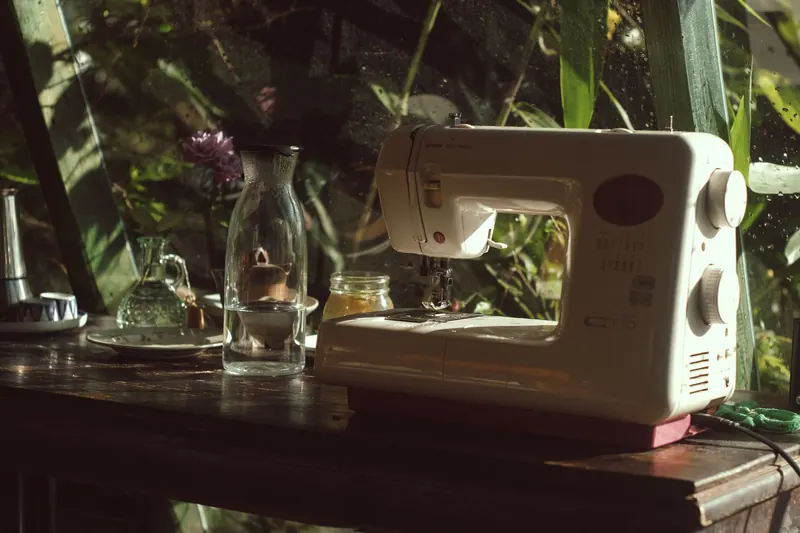
For hems, repairs and first dressmaking you mostly use straight stitch and zigzag, plus a stretch stitch for knits and a blind hem for trousers and curtains. Anything over about 20 stitches is a bonus.
Look for an automatic needle threader, a drop-in bobbin you can see through the cover and a one-step buttonhole, which sizes the hole to the button in the foot. A four-step buttonhole asks you to turn a dial for each side.
Mechanical machines with dials are simple and robust; computerised machines add a screen, a needle up and down button and speed control. Use the needle size guide to match a needle to your fabric.
Common mistakes
- Buying for the stitch count rather than for easy threading and an even straight stitch.
- Using a blunt or wrong needle and blaming the machine for skipped stitches.
Guides on this topic
- Sewing machines for kids: what to look forWhich kids sewing machine suits a child? Age guidance, toy against real machines, safety features, supervision rules and good first projects.Guide
- Mechanical vs computerised sewing machinesMechanical vs computerised sewing machines compared: dials against screens, buttonholes, speed control, repairs and which suits a first machine.Comparison
- How to wind and insert a bobbinWind a sewing machine bobbin evenly, then insert it in a drop-in or front-loading case with the thread turning the right way. Clear steps for beginners.How-to
- How to use a sewing machine: a beginner's first hourA beginner's first hour on a sewing machine: setting up, test seams on scrap fabric, stitch length and width, reversing to secure seams and turning corners.How-to
- How to thread a sewing machineThread the upper path of a sewing machine correctly: presser foot up, take-up lever, needle threader and bringing up the bobbin thread, step by step.How-to
- How much electricity does a sewing machine use?Sewing machine power use explained: typical motor and light wattage, working out kWh per hour, UK plugs and fuses, and standby on computerised machines.Guide
- How does a sewing machine work?How a sewing machine makes a stitch: the needle, hook, bobbin, take-up lever and feed dogs working together to form a lockstitch, explained step by step.Guide
- Handheld sewing machine vs a full size machineIs a handheld sewing machine worth it? How chain stitch handhelds compare with a basic electric sewing machine for hems, repairs and learning to sew.Comparison
Buying guides on this topic
- Best lightweight sewing machinesSeven full function sewing machines from 4.5 to 6.7 kg compared by stated weight, stitches, buttonhole type, free arm and cover.Buying guide
- Best sewing machines for beginnersSeven first sewing machines compared by stitch count, buttonhole type, needle threader and weight, using only what each listing states.Buying guide
- Best sewing machines under £500Six mid range sewing machines from Janome, Brother and Juki compared by type, stitches, buttonhole, key extra and weight, from listing facts.Buying guide