Fix
Sewing machine thread keeps breaking: fixes
Published
Note: This page contains affiliate links. If you buy through them we may earn a commission at no extra cost to you. Learn more
In short
Upper thread usually breaks because of the thread itself (old, brittle or poor quality), a needle that is too small, blunt or damaged, thread catching on the spool, a misthreaded path or upper tension set too tight. Rethread with the presser foot up, fit a new needle of the right size, add a spool cap and test with fresh thread before looking for burrs or mechanical faults.
Products for this job
Compare all 7 productsSinger Heavy Duty 4411: 1,100 spm metal workhorse
Check price on AmazonAffiliate linkSinger SE9185: sews and embroiders, 5 x 7 in
Check price on AmazonAffiliate linkSinger Heavy Duty 4423: reinforced motor, 23 stitches
Check price on AmazonAffiliate link
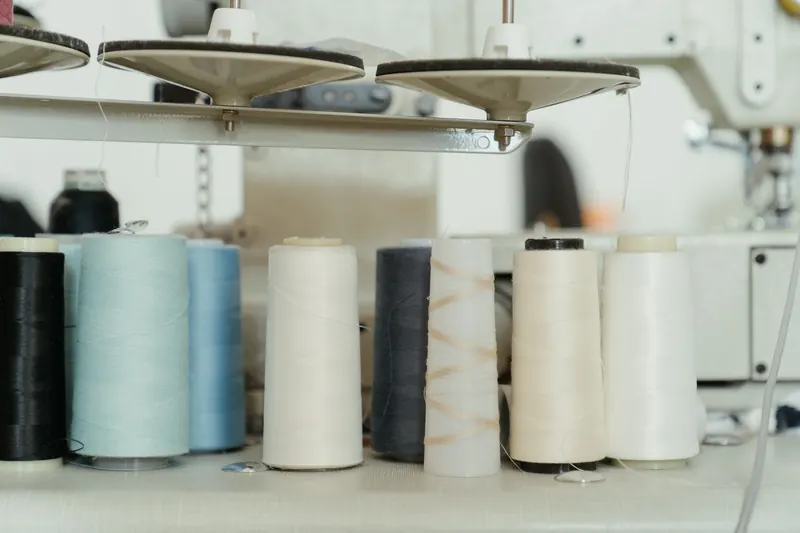
Few things are more frustrating than rethreading a needle every few centimetres. Thread breakage has a short list of usual suspects, and most are quick to check without tools. This guide works through them from the most common to the least, for Singer, Janome, Brother and other domestic machines alike, and explains when a broken thread is a sign that the machine needs a service.
Start with the thread
Thread ages. Cotton thread kept for years, especially in sunlight or a warm room, can dry out and lose strength, and very cheap thread often has thick and thin spots and loose fibres that snag in the needle eye. Pull a length between your hands: if it snaps easily or looks fuzzy, replace it with a fresh reel of good quality all-purpose polyester or cotton thread.
Match thread to the job. Heavy topstitching thread needs a larger needle and often a different tension, and some speciality threads, such as metallic thread, are more likely to break and benefit from a dedicated needle. Using the same thread in the bobbin and on top also keeps tension simpler.
Check the needle size and condition
If the needle eye is too small for the thread, the thread is squeezed and rubbed as it passes through, then frays and snaps. A blunt or bent needle, or one with a tiny burr on the eye after hitting a pin, causes the same thing. Needles are inexpensive and wear faster than many people expect, so a new needle is often the fix.
Fit the needle with the flat side of the shank to the back on most domestic machines and push it fully up before tightening the screw. Our needle size guide pairs common fabrics with metric and US needle sizes and point types, for example 80/12 for quilting cotton or 90/14 for medium weight cotton and linen.
| Cause | Sign | Fix |
|---|---|---|
| Old or poor thread | Thread snaps easily by hand or looks fuzzy | Use a fresh reel of good quality thread |
| Needle too small | Thread frays at the eye | Use a larger needle for the thread |
| Damaged needle | Breaks after hitting a pin | Fit a new needle |
| Thread caught on spool | Breaks near the spool or jerks | Fit a spool cap, check for notches |
| Tension too tight | Puckering, thread snaps under strain | Lower upper tension and test |
| Misthreaded path | Thread drags or misses a guide | Rethread with the presser foot up |
Spool caps, spool pins and threading
Many reels have a small notch in the rim to hold the thread end. If that notch faces the wrong way, the thread can catch in it on every turn and snap. Turn the reel so the notch is on the side where it will not snag, or on the opposite end from where the thread unwinds, and fit a spool cap slightly larger than the end of the reel so the thread cannot wrap around the pin.
Cross-wound reels usually feed best from a horizontal spool pin, while stacked (straight wound) reels often feed better from a vertical pin. If your machine has both, try the other one. Then rethread the whole path with the presser foot up, checking that the thread passes through the take-up lever and every guide. A thread that skips a guide can rub against a metal edge and break. Our guide on how to thread a sewing machine shows the general route.
- 1
Switch off the machine.
- 2
Remove the thread and check the reel for a notch or damaged rim.
- 3
Fit a suitable spool cap.
- 4
Rethread with the presser foot up and the take-up lever at its highest point.
- 5
Fit a new needle of the right size.
- 6
Sew a test seam on scrap of the same fabric.
Over tight upper tension
If the upper tension is set too high, the thread is under constant strain and snaps, often with puckering along the seam. Turn the upper tension dial down one step and test again. If you find the dial is set near the top of its range, something else is probably wrong, such as a threading fault, so go back to the earlier checks. Our guide to adjusting sewing machine tension explains how to read a two-colour test seam.
If the bobbin thread is the one breaking, check the bobbin is evenly wound, not overfilled, the right type for the machine and inserted the right way round. See how to wind and insert a bobbin.
Burrs, damage and when to call an engineer
A needle strike can leave a small rough spot, called a burr, on the needle plate hole, the hook or the bobbin case. Thread rubbing over it frays every time. With the machine switched off and unplugged, you can run a fingertip gently around the needle hole in the plate to feel for roughness. If you find damage on the plate, a replacement plate from the maker is usually the simplest fix.
Damage to the hook or a timing problem after a hard needle strike is a job for a qualified sewing machine engineer. The same applies if thread keeps breaking after you have tried fresh thread, a new needle, correct threading and normal tension. On an older machine with repeated faults, it may be worth comparing current models; our guides to the best sewing machines for beginners and Singer sewing machines compared are good starting points.
Note:Switch off and unplug the machine before removing the needle plate, checking for burrs or changing the needle.
Frequently asked questions
Why does my Singer sewing machine thread keep breaking? The causes are the same as on other brands: thread quality, needle size and condition, spool catching, threading and tension. Work through them in that order, and check your Singer manual for the correct threading route and needle system.
Why does thread break only on thick fabric? The needle is probably too fine for the fabric and thread. Move up to a larger needle, such as a denim needle for dense fabric, and sew more slowly through seams.
Can old thread really cause breakage? Yes. Thread that has been stored for a long time, particularly in light or warmth, can become weak. If it snaps easily when you pull it by hand, replace it.
Why does my Janome thread shred at the needle? Shredding at the eye usually points to a needle that is too small for the thread or one that is damaged. Fit a new needle of a larger size and check your Janome manual for recommended needle types.
What you need
- Check price on AmazonAffiliate link
Singer 4411: metal frame, 1,100 stitches a minute
- Check price on AmazonAffiliate link
Janome HD3000BE: metal body plus quilting kit
- Check price on AmazonAffiliate link
Brother SH40: 40 stitches, 5 one-step buttonholes