Guide
Why are embroidery machines so expensive?
Published
Note: This page contains affiliate links. If you buy through them we may earn a commission at no extra cost to you. Learn more
In short
Embroidery machines cost more than sewing machines because they add a motorised embroidery unit that moves the hoop precisely in two directions, a computer to run designs, a screen, licensed designs and fonts, and software. Prices then rise with field size, connectivity and especially the move from single needle to multi needle machines, which change colours automatically and are built for heavier use.
Products for this job
Compare all 5 productsBrother PE900: 5 x 7 in field with wireless LAN
Check price on AmazonAffiliate linkJanome MC100E: 274 designs, 140 x 140 mm field
Check price on AmazonAffiliate linkBrother Innov-is M380D: sews and embroiders, Disney designs
Check price on AmazonAffiliate link
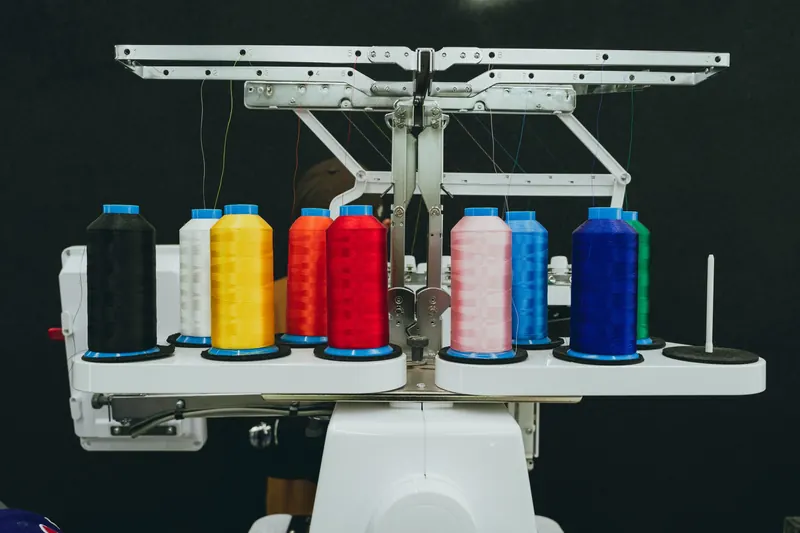
If you have compared a basic sewing machine with an embroidery machine, the difference in price can be surprising. Both stitch with a needle and bobbin, so why does one cost so much more? The answer lies in what the embroidery machine has to do: move fabric precisely along a programmed path, thousands of stitches at a time, and run a library of designs. This explainer breaks down the main cost drivers without quoting prices, so you can see what you are paying for and which features matter for your projects.
The embroidery unit and hoop drive
The biggest difference from a sewing machine is the embroidery unit, the arm that holds the hoop and moves it left, right, forwards and back under the needle. It uses its own motors to position the hoop accurately for every stitch. Any error builds up across thousands of stitches and shows as outlines that do not meet the fill, so the mechanism has to be precise and repeatable.
Larger fields mean a longer travel range, a sturdier arm and stronger drives to move a heavier hoop and more fabric without wobble. That is one reason machines with bigger embroidery areas cost more. Our hoop sizes explainer covers the common field sizes.
Motors, electronics and screens
Embroidery machines are computerised by necessity. A processor reads the design file and coordinates the needle with the hoop drive, controls thread trimming and colour stops, and manages features such as on screen editing. Better machines add faster processors, more memory for designs and larger, higher resolution touchscreens that make editing, combining and positioning designs easier.
The main motor and needle drive also have to cope with long runs of stitching, often at steady speed for many minutes. Features such as automatic thread cutting, thread break sensors, needle position cameras or projection, and automatic presser foot height on some higher end models add sensors and motors, and each one adds cost.
Note:Embroidery machines contain motors and electronics. Switch off and unplug before cleaning, changing needles or opening covers, and use a qualified sewing machine engineer for motor, wiring or timing faults rather than opening the casing.
Designs, fonts and software
Built in designs and lettering fonts are part of what you pay for. Each design is digitised, tested for stitching and often licensed, for example character designs on some machines. Larger libraries, more fonts and extra features such as on screen lettering editing tend to appear on more expensive models.
Many machines also come with software or apps for transferring designs, and some makers sell separate digitising software or subscriptions. Connectivity such as wireless transfer adds hardware and ongoing software development. Our embroidery file formats guide explains how designs and software fit together.
- Built in design library and licensed designs
- Built in fonts and monogramming options
- On screen editing: resizing, rotating, combining and mirroring
- Design transfer by USB, wireless or app
- Optional digitising software sold separately on many brands
Single needle versus multi needle machines
The largest jump in cost is from a single needle home machine to a multi needle machine. A single needle machine stops at every colour change and waits for you to rethread. A multi needle machine holds several threads, often six or more, and switches between them automatically, so a multi colour design can stitch without you rethreading.
Multi needle machines are built for longer runs and heavier use, with an open, free arm design for caps, bags and finished garments, heavier frames and commercial style tubular hoops. They are aimed at small businesses and very keen hobbyists, and the build and capacity are reflected in the price. For most beginners, a single needle machine is the sensible starting point.
| Level | Typical features | Main cost drivers |
|---|---|---|
| Entry level single needle | Small field, built in designs, USB | Embroidery unit, basic touchscreen, design library |
| Mid range single needle | Larger field, bigger screen, more editing, wireless on some | Longer travel arm, more processing, larger library |
| Sewing and embroidery combination | Full sewing machine plus embroidery unit | Two sets of features, more stitches and accessories |
| Multi needle | Several needles, automatic colour change, free arm for caps | Multiple needle bars, heavier build, commercial hoops |
Getting good value
Paying for features you will not use is the easiest way to overspend. If you mainly stitch names and small motifs, a machine with a 100 x 100 mm field and a sensible design library covers a lot. If you plan to embroider quilt blocks or bags, a larger field is worth prioritising over extra built in designs. If you want to sew and embroider, a combination machine can save space, although embroidery and sewing cannot happen at the same time.
Remember the running extras too: stabilisers, embroidery thread, bobbin thread, needles and extra hoops. Our best embroidery machines for beginners guide focuses on approachable models, and the best sewing and embroidery machines guide covers combination machines. Check warranty terms and whether a local dealer can service the machine before you buy.
Frequently asked questions
Why is an embroidery machine more expensive than a sewing machine? It needs a motorised embroidery unit to move the hoop with precision, a computer to run designs, a screen for editing and a library of designs and fonts. A basic sewing machine needs none of these.
Is a combination sewing and embroidery machine better value? It can be if you want both functions and have limited space, because one machine does both. A dedicated machine for each lets you sew while embroidery runs, which matters more if you embroider a lot.
Why are multi needle embroidery machines so much more expensive? They hold several threads and change colour automatically, use multiple needle bars and are built for long, frequent runs. That extra mechanism and heavier construction are aimed at business and high volume use.
What else do I need to budget for? Stabilisers, embroidery thread in several colours, bobbin thread, embroidery needles and possibly extra hoops or software. These ongoing supplies add up over time, so factor them in when choosing a machine.
What you need
- Check price on AmazonAffiliate link
Brother PE900: 5 x 7 in field with wireless LAN
- Check price on AmazonAffiliate link
Janome MC1000: 241 designs, 300 stitches, USB
- Check price on AmazonAffiliate link
Janome JW8100: 100 stitches, 7 buttonhole styles